|
|
|
|
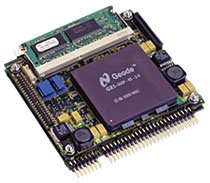
Developing Device Drivers for Windows CE .NET NEW: Now Includes a Module on Boot Loaders! Our exclusive training class in “Developing Device Drivers for Windows® CE .NET” features extensive hands-on labs plus lectures covering Windows CE internals, synchronization, memory management, driver architecture and debugging for various types of devices. The course is targeted at the beginner-to-intermediate level developer. By the end of the course, even developers with little or no Windows driver experience will have designed, developed and tested a driver that retrieves real-time data from an embedded device. Our course is unique – and filled with insights, tips, and even tricks that we learned over the last 10 years of developing drivers that ship with a wide variety of hardware peripherals, laptops, handhelds, and commercial shrink-wrapped products (with distribution in excess of a million units). Each student is provided with a printed hardcopy binder containing the full course material, and is also given access to a workstation and embedded target device for the hands-on labs. Register early to reserve your seat -- class size is limited so that we can have plenty of time to interact with each student, so classes fill up quickly. We use the TP400 LaunchPad from DSP Design as the embedded target device for all of our hands-on labs.
Next Scheduled Class: Click Here for the latest class schedule To Register: Click Here to Register
PrerequisitesRequired:l Programming experience in C or C++l Some exposure to Win32 programmingHelpful:l Driver development for any Windows platforml Familiarity with the operation of hardwareModule 1: CE .NET Architecture Overview
Module 2: Platform Builder Basics
Module 3: Driver Models
Module 4: Basic Structure of a Driver
Module 5: Resources
Module 6: Scheduling
Module 7: Synchronization
Module 8: Memory Management
Module 9: Interrupts
Module 10: Timers
Module 11: Debugging
Module 12: Tools
Module 13: Driver Architectures
Module 14: Power Management
Module 15: Miscellaneous
All course content is subject to change, since we constantly update the course to demonstrate new techniques, samples, and features. Contact us for more information about schedule dates and locations, or to arrange an on-site seminar for your developers: training@pstech.com |
|
Copyright © 1991-2018 PS Technology Corporation. All rights reserved. PSTech is a registered trademark of PS Technology Corporation Microsoft, Windows, and the Windows CE Logo are registered trademarks of Microsoft Corporation in the United States and/or other countries. All other Trademarks and Registered Marks are the property of their respective owners. |